Building a Shared Framework for 12 Councils
A shared Queensland framework for 12 councils, followed by in-person Child Safety Coordinator training in Mount Isa.
Read the Full Case Study →
Real work, with real organisations, moving child safety from policy into practice.
Child Safety Alliance Australia has supported organisations across local government, community and education services, and sport to move child safety from policy intent into practical systems. Work has included frameworks, site reviews, reporting and complaints pathways, risk management, role design, implementation planning and tailored training.
A shared Queensland framework for 12 councils, followed by in-person Child Safety Coordinator training in Mount Isa.
Read the Full Case Study →A practical safeguarding framework built from site reviews, then rolled out organisation-wide through dedicated Child Safety Lead roles.
Read the Full Case Study →A Queensland-specific child safety framework for Paddle Queensland, built for volunteer-led clubs and water-based community sport.
Read the Full Case Study →Child Safety Framework and Coordinator Training
From a shared policy suite for 12 councils to practical, in-person implementation in Mount Isa
Local government child safety is not a single-service issue. Councils operate across libraries, pools, parks, playgrounds, community facilities, events, youth activities, traineeships, online environments and third-party or community use arrangements. Some settings involve direct supervision of children, while others are open-access or shared environments where council has a different level of control and responsibility.
The project required more than a generic child protection policy. The councils needed a consistent Queensland framework that could be adopted across multiple organisations while still allowing each council to localise roles, reporting contacts, services, facilities, contracting arrangements and implementation tools.
Linda White, Managing Director and CEO of Child Safety Alliance Australia, developed a comprehensive council child safety policy and implementation suite designed to connect governance, workforce behaviour, reporting, complaints, supervision, risk management, cultural safety and practical rollout.
A central design principle was that policy approval alone is not implementation. The rollout guidance treats child safety as a governance and change-management process, requiring councils to communicate expectations, build role-specific capability, integrate controls into services and facilities, and retain evidence that the framework has been implemented and reviewed.
This was particularly important for regional and rural councils, where child safety responsibilities can arise across dispersed workforces, public access environments, community-operated spaces, contractors, hirers and third-party providers.
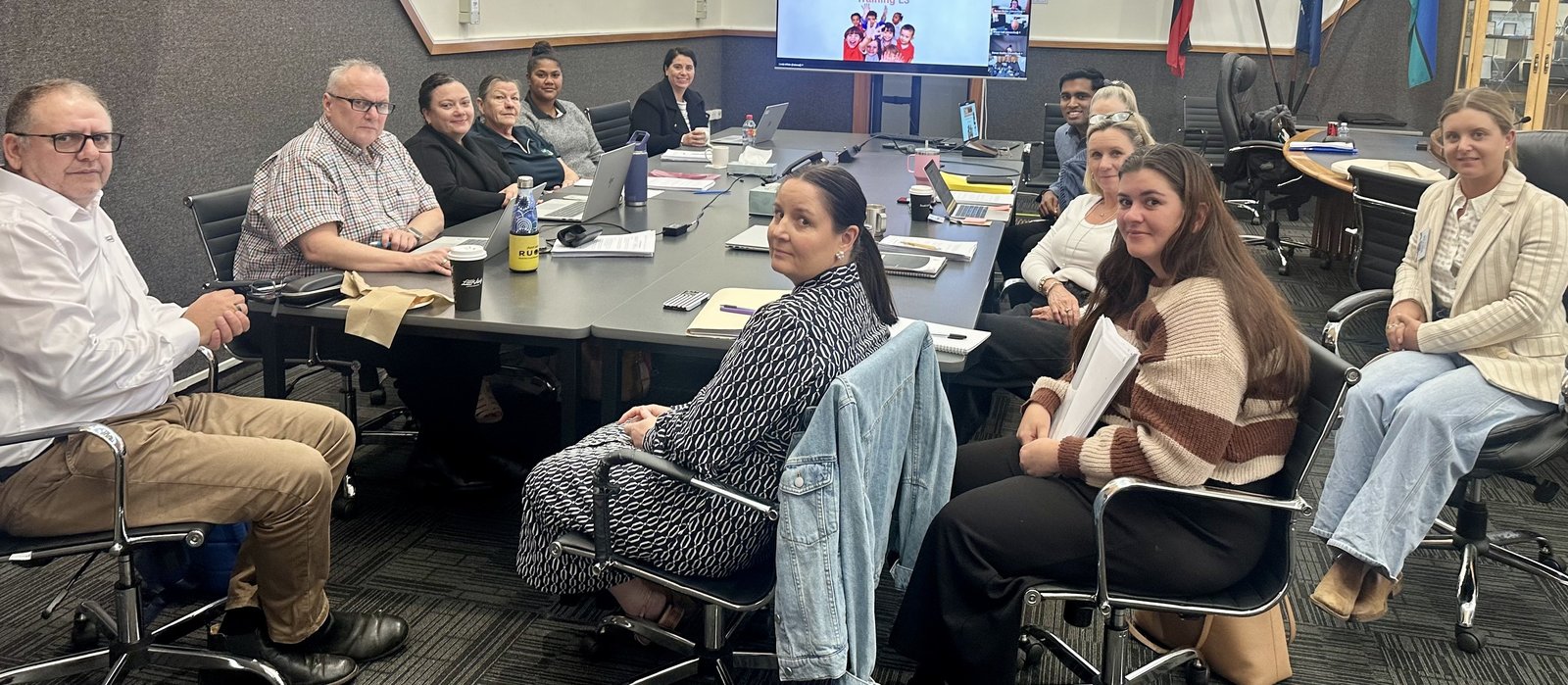
Following development of the policy suite, a council-specific ChildSafe Coordinator training program was developed and delivered in person in Mount Isa. The training was aligned to the same implementation challenge: making sure designated child safety personnel could translate standards and policies into day-to-day decisions.
The training was delivered in the Mount Isa City Council context and acknowledged the Kalkadoon and Indjilandji people as Traditional Custodians.
The program used facilitated discussion, reflection exercises and practical planning rather than relying on lecture-only delivery. Participants were asked to assess where their organisation stood against minimum child safety requirements, identify what they needed to know to operate effectively as coordinators, and distinguish between immediate implementation actions and longer-term system improvements.
The project produced a shared, implementation-ready child safety foundation for 12 Queensland councils and extended that work into practical capability building. Councils were provided with a connected framework covering governance, conduct, reporting, complaints, duty of care, supervision, risk, cultural safety, role accountability and rollout.
The Mount Isa training then moved the work from documentation into application by focusing designated child safety personnel on how to interpret responsibilities, assess current practice, use reporting and risk pathways, and plan the next stage of implementation within their own council environment.
Child safe organisations are not created by publishing policies. They are created when leaders, managers and workers understand what the policies require, can recognise the risks in their own environment, know what action to take, and have clear pathways for escalation and improvement.
For councils, that means child safety must extend beyond traditional child-focused services. It must be built into facilities, events, workforce practices, contracts, hirer arrangements, community communication, online activity, risk systems and everyday decision-making.
Turning Child Safety Requirements Into a Practical, Organisation-Wide Safeguarding Framework
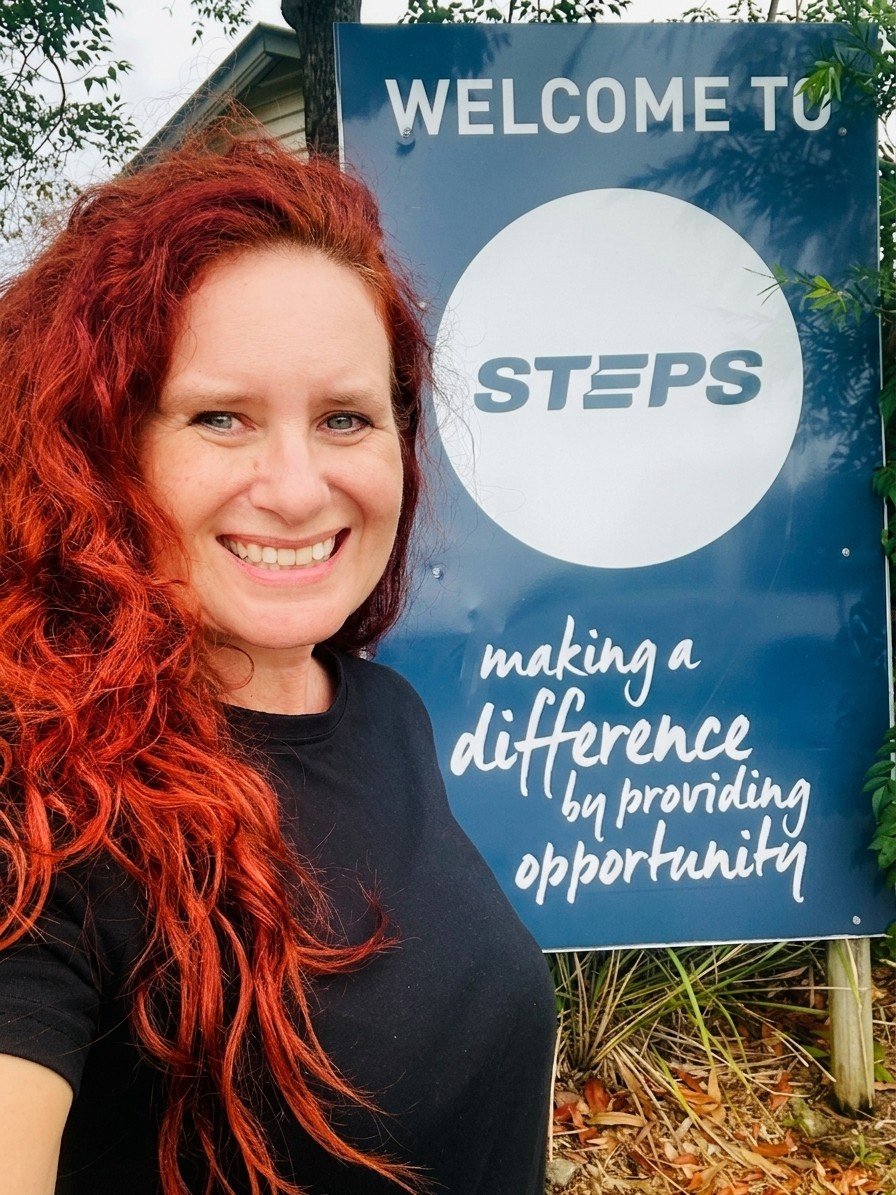
Linda White, Managing Director and CEO of Child Safety Alliance Australia, was engaged to strengthen STEPS Group's child safety approach and develop a comprehensive suite of documentation that could support consistent practice across STEPS. The work needed to reflect how STEPS actually operates, rather than relying on generic child-safe templates.
The project combined governance and policy development with practical operational review. This included an in-person walk-through review of STEPS Group's Queensland sites so the written framework could be considered against the physical environments, day-to-day practices and real settings in which children and young people may engage with STEPS. Site reviews covered a range of STEPS Group's operating environments, from administrative and training spaces to public-facing social enterprises such as Café on George, where students build workplace skills in a real operating environment.
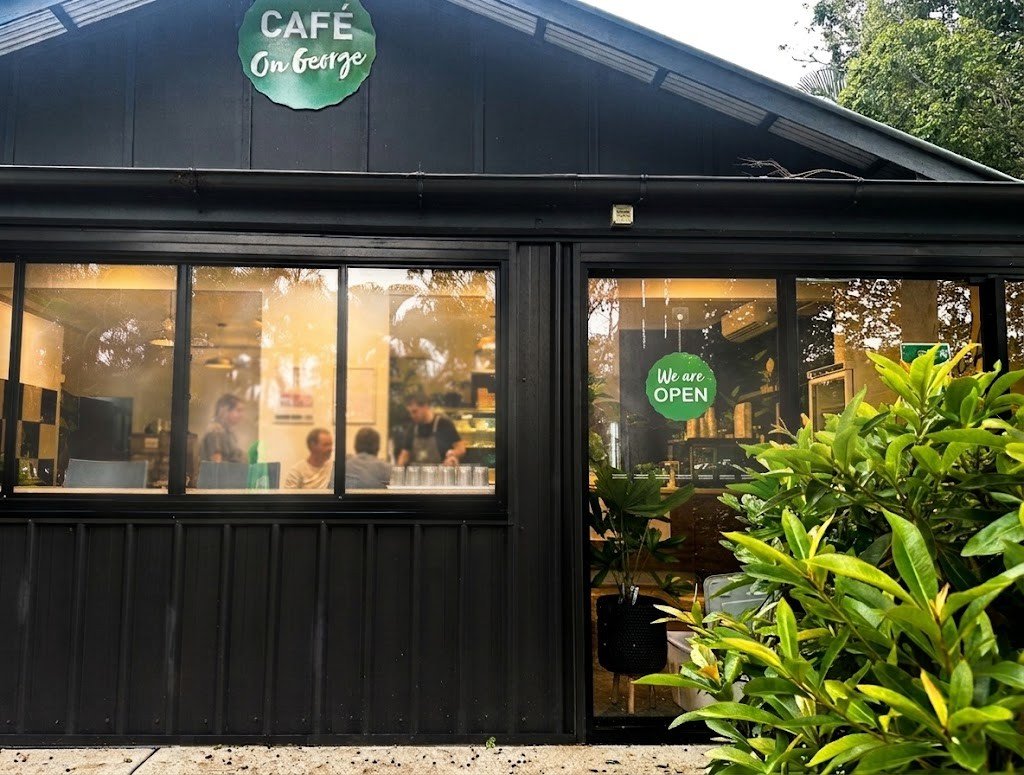
Café on George, a STEPS Group training environment.
Child safety systems are weak when technically correct policy language is disconnected from how staff, leaders and participants experience STEPS Group. STEPS required a framework that could establish clear expectations while remaining usable across different services, locations and roles.
The work therefore needed to answer the practical questions that determine whether safeguarding works: who is responsible, how concerns are raised and escalated, how staff respond, how risks are identified, and how leaders make child-safe practice visible and consistent.
Child Safety Alliance Australia took an implementation-focused approach, building the framework around STEPS Group's operating environment and the way its services are delivered.
Following completion of the documentation, STEPS Group rolled the child safety materials out across STEPS. The next stage has moved beyond policy development into strengthening the internal child safety structure through designated Child Safety Liaison Officers and Child Safety Leads.
This continuation reflects the purpose of the original work: to create an operating child safety system, not a one-off compliance exercise. STEPS Group has sought further support to define the responsibilities of these roles, establish an appropriate appointment and approval process, develop relevant training, and support staff undertaking child safety functions.
The next implementation stage includes:
STEPS Group now has a child safety framework that has progressed from development into organisational rollout, supported by practical review of its operating environments and a clear pathway for ongoing implementation. The work has created a stronger foundation for consistent decision-making, clearer responsibilities and more confident responses when child safety concerns arise.
Importantly, the relationship has continued as STEPS Group moves into the next stage of embedding the framework. This provides continuity between the original policy intent and the people, roles and practices responsible for making child safety visible in everyday operations.
Effective child safety is not created by having the right documents alone. Organisations need to understand how safeguarding expectations translate into their sites, services, workforce and decision-making. By combining policy development with in-person operational review and ongoing implementation support, this project demonstrates an approach focused on making child safety workable in practice.
Paddle Queensland — Child Safety Framework
Building a practical child safety framework for a state sporting organisation and its affiliated club network
Paddle Queensland is the state governing body for paddle sports in Queensland, supporting a network of affiliated clubs operating across metropolitan, regional and remote locations.
Its child safety environment is different from a single-site organisation. Paddle sport involves water-based activities, public waterways, club sheds and shared facilities, competitions, events, travel, coaching and volunteer-led participation. Affiliated clubs also vary significantly in size, structure, resources and the extent to which they engage children and young people.
The organisation therefore needed more than a generic child protection policy. It required an integrated child safety framework that could operate effectively at state level while remaining practical for implementation across a diverse club network.
The framework needed to address:
Child Safety Alliance Australia reviewed the child safety requirements relevant to Paddle Queensland's structure and developed a Queensland-specific framework aligned to the organisation's actual operating context.
A key focus was distinguishing between Paddle Queensland's responsibilities as the state sporting body and the operational responsibilities held by affiliated clubs. The framework was designed to support consistency across the sport without assuming every club operated in the same way.
Particular attention was given to translating child safety requirements into practical expectations for coaches, instructors, officials, volunteers and club leaders working in environments where risks can be very different from those experienced in traditional office, education or community service settings.
Child Safety and Wellbeing Policy
An overarching governance framework setting out Paddle Queensland's commitment to child safety and wellbeing and defining responsibilities across the Board, staff, volunteers, affiliated clubs, coaches, officials, contractors, members and participants. The policy addressed child safety across both on-water and land-based activities, events, travel, club facilities, public spaces and online environments.
Child Safe Complaints and Reporting Framework
A dedicated complaints and reporting process providing clear pathways for responding to child safety concerns, disclosures, allegations and complaints. The framework connected internal escalation requirements with relevant Queensland external reporting pathways and recognised the importance of child-focused and trauma-informed responses.
Child Safety Risk Management Framework and Risk Register
A dedicated risk framework to help Paddle Queensland and its clubs identify, assess and manage risks specific to paddle sport. Risk areas included water-based activities and public waterways, supervision, one-to-one coaching, mixed-age participation, change areas, transport and travel, camps and overnight activities, online communication, photography, volunteer suitability, grooming, abuse, neglect and unsafe conduct.
Club Implementation Guide
A practical 10-step club guide was developed to help affiliated clubs understand how to implement the Child Safe Standards within their own operations. This created a pathway from policy awareness to practical implementation across leadership, screening, behaviour expectations, risk management, reporting, communication and review.
Child and Family Resources
Supporting resources were developed to make the framework accessible beyond administrators and committee members. These materials explained children's rights, how to raise a concern, what can be reported, how adults should respond, what happens after a concern is raised, and where children, parents and carers can seek support.
The Paddle Queensland project required a different approach from developing child safety systems for a single-site organisation.
The framework needed to work across a state sporting body and a network of independent community clubs, many of which rely heavily on volunteers and operate with limited administrative resources. The solution therefore focused on clear minimum standards while providing tools that could be applied proportionately at club level.
Rather than producing a collection of disconnected policies, the project created a framework in which governance, risk, conduct, reporting, club implementation and child participation support one another.
Paddle Queensland was provided with a comprehensive Queensland-specific child safety framework designed around the realities of paddle sport and community club operations. The framework helped:
Importantly, the framework was designed not simply to demonstrate that child safety policies existed, but to provide Paddle Queensland with the systems and practical resources needed to embed those expectations across the sport.
Community sporting organisations can face significant child safety exposure precisely because their environments are informal, volunteer-led and highly dispersed.
Children may interact with coaches, officials, volunteers and other participants across training sessions, waterways, competitions, transport, travel, online communication and social environments. Strong child safety governance therefore needs to extend well beyond screening checks.
It requires organisations to understand where risks arise, establish clear behavioural boundaries, create safe ways to speak up, know how to respond when concerns arise and ensure child safety expectations can actually be implemented by the people delivering the sport.
The Paddle Queensland project demonstrates how Child Safety Alliance Australia develops child safety systems around the organisation itself rather than forcing organisations into a generic policy model.
Every engagement starts with understanding how your organisation actually operates. A Child Safety Review is where most people start.